
Invisalign · 23 July 2025 · 4 min read
Invisalign or Braces: Which Is Right for You?
Invisalign and traditional braces both work by applying controlled pressure to move teeth over time — the real differences are in how each does it, how it fits into daily life, and which cases each is better suited to.

What each option is
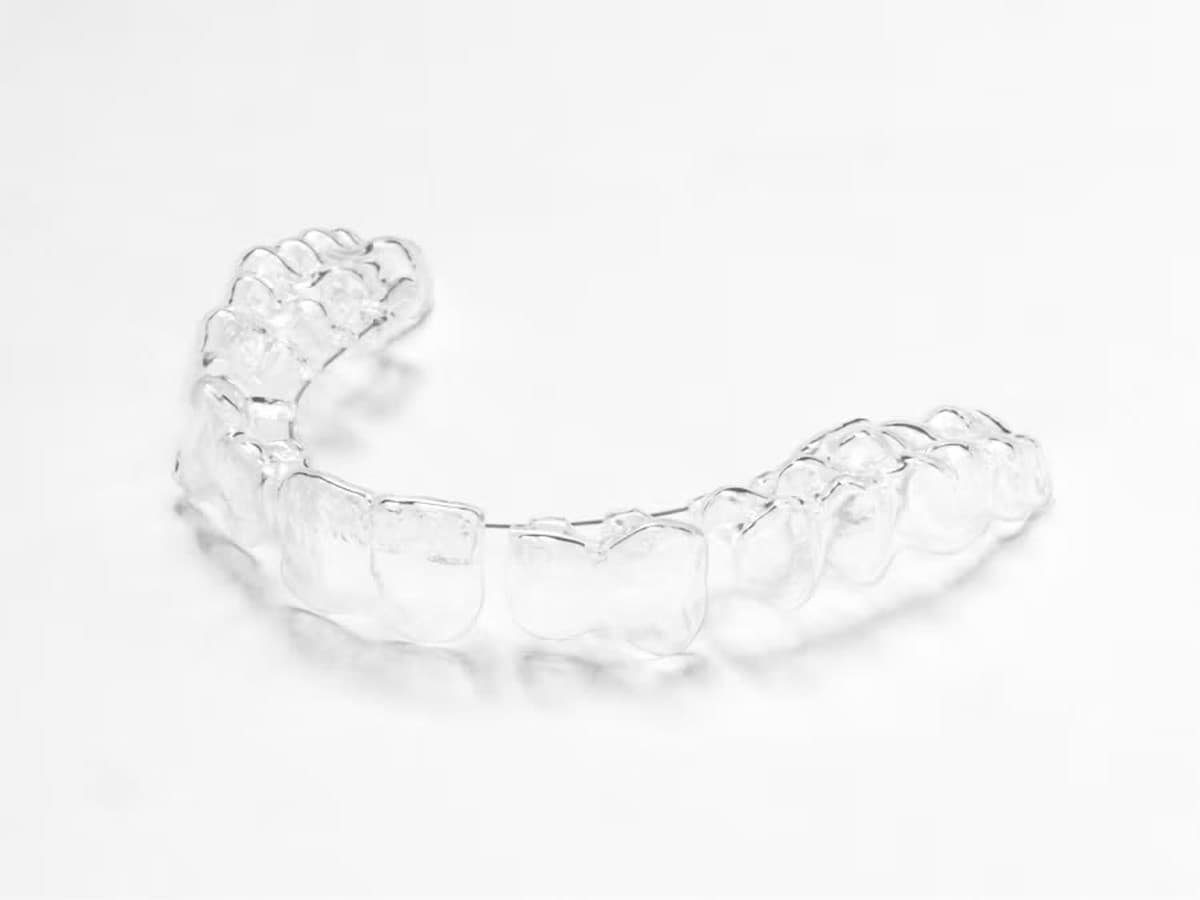
Invisalign uses a series of clear, removable aligners, each worn for 1–2 weeks before moving to the next in the sequence, gradually shifting teeth into their planned position. Traditional braces use fixed metal or ceramic brackets connected by wires and elastic bands, adjusted periodically by your dentist over the course of treatment.
How they compare
Appearance: aligners are close to invisible; braces are visible, though ceramic options are more discreet than metal.
Removability: aligners come out for eating and cleaning; braces are fixed in place for the full treatment.
Comfort: aligners apply gentler, more gradual pressure; braces can cause more noticeable soreness after adjustments, and their brackets and wires carry a higher risk of mouth irritation.
Treatment time: Invisalign cases typically run 6–24 months; braces usually run 18–24 months or longer for more complex movements.
Diet: no restrictions with aligners, since they're removed to eat; braces come with a list of foods to avoid (hard, sticky, or very chewy items) to protect the brackets and wires.
Maintenance: aligners need daily cleaning and safe storage when out; braces need more careful brushing and flossing around fixed hardware, plus periodic in-clinic adjustments.
Compliance: aligners depend on you wearing them 20–22 hours a day — the result is only as good as that discipline. Braces work regardless of daily compliance, which can suit patients who know they'd struggle to keep aligners in consistently.
Which is right for you
For most adults and teens with mild to moderately complex alignment or bite issues who want a discreet, removable option and are confident they'll wear it consistently, Invisalign is usually the better fit. For more complex tooth or jaw movements, or for patients who won't reliably keep to the wear schedule an aligner needs, traditional braces can still be the more predictable route.
The honest answer is that this is a decision worth making with your dentist rather than online — it depends on your specific bite, your budget, and how realistic 20+ hours of daily wear is for your lifestyle. A proper assessment (including a digital scan, in our case) is the only way to know which option will actually get you to your result fastest.
Considering Invisalign? Learn about Invisalign at The Garden Dental
Have a Question About Your Smile?
Book a consultation and our team will walk you through your options.
WhatsApp is fastest during clinic hours
Flexible 0% instalment plans available