
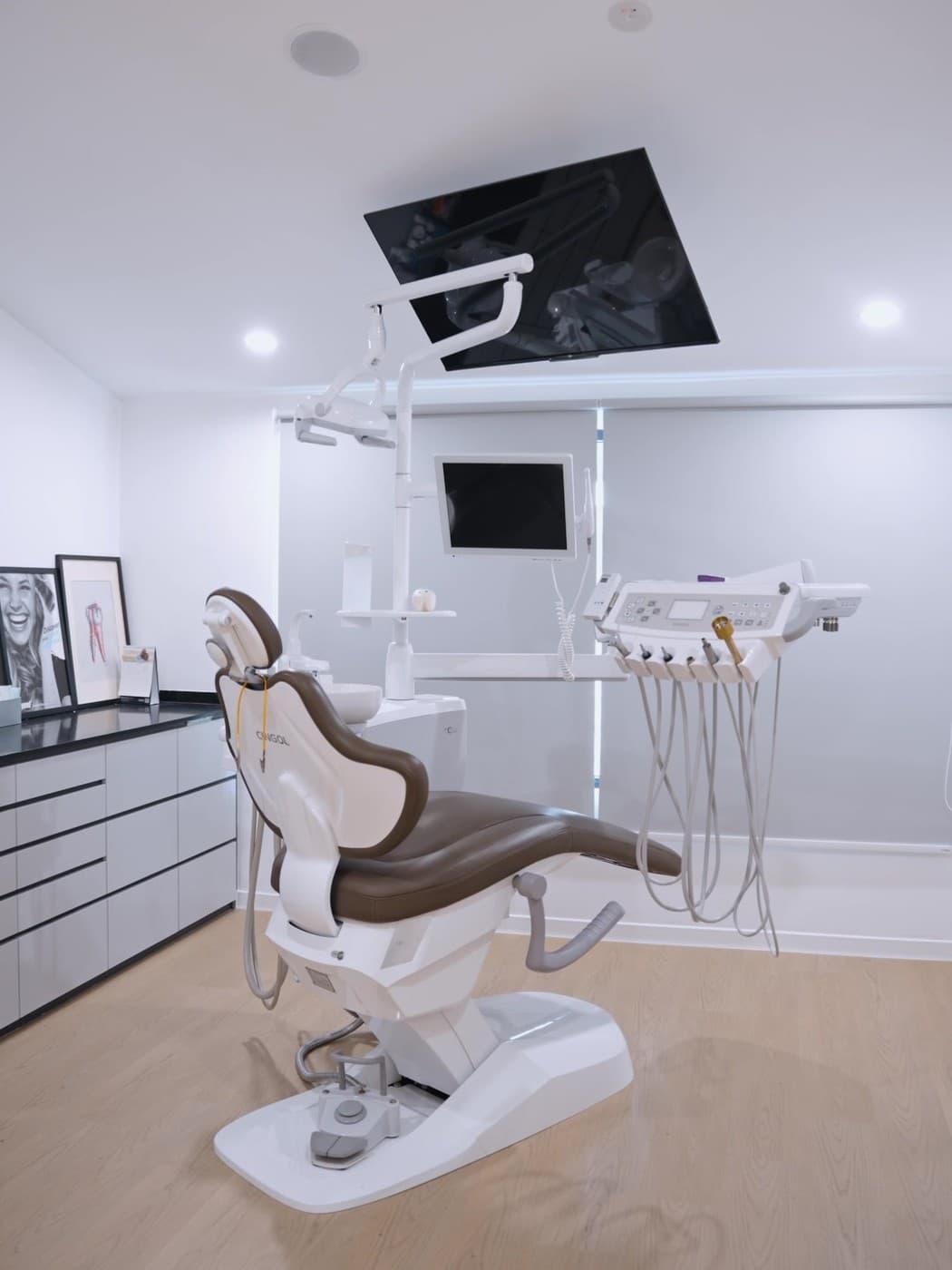
Restorative Dentistry
Restore More, Remove Less
When a tooth is too damaged for a filling but doesn't need a full crown, an onlay is the middle ground — a custom-made, tooth-coloured restoration that rebuilds the damaged area while preserving as much of your natural tooth as possible.
WhatsApp is fastest during clinic hours
Flexible 0% instalment plans available
Preserves Natural Tooth
Only the damaged part of the tooth is replaced, so far more healthy structure is kept than when preparing for a full crown.
Strength Where It Counts
Onlays cover and reinforce the biting surface and cusps, helping protect a weakened tooth from cracking under everyday chewing forces.
Digitally Designed Fit
Planned from an intra-oral scan and designed with CAD/CAM technology, for a precise fit without messy traditional impressions.
Natural-Looking Result
Shade-matched to your surrounding teeth, so the restoration blends in rather than standing out like a large metal filling.
Your Journey
What to Expect
- 01
Assessment
Our dentist examines the tooth and takes X-rays to confirm an onlay is the right choice over a filling or a crown.
- 02
Preparation & Digital Scan
Under local anaesthesia, decay or old filling material is removed and the tooth is shaped, then captured with a precise digital scan and shade-matched.
- 03
Custom Fabrication
Your onlay is designed and made to fit the prepared tooth exactly, with a temporary restoration protecting it in the meantime if needed.
- 04
Bonding & Final Check
The onlay is bonded securely in place, then your bite is checked and refined so it feels comfortable and natural.
Common Questions
Frequently Asked
What's the difference between a filling, an onlay, and a crown?
A filling repairs a small cavity directly in the mouth. An onlay is made outside the mouth to replace a larger damaged area, including one or more cusps. A crown covers the entire visible tooth. Onlays sit in between — stronger than a large filling, while keeping more natural tooth than a crown.
How long does a dental onlay last?
With good oral hygiene and regular check-ups, onlays typically last 10 years or more. Habits like grinding or biting hard objects can shorten their lifespan.
Does getting an onlay hurt?
The tooth is numbed with local anaesthesia, so the procedure itself should be comfortable. Some mild sensitivity afterward is normal and usually settles within a few days.
How do I care for my onlay?
Brush twice daily, floss around the restoration, and keep up regular dental visits. If you grind your teeth at night, ask us about a night guard to protect it.
Ready to Begin Your Dental Onlay Journey?
Book a consultation and we’ll walk you through what Dental Onlay looks like for your smile, with no obligation.
WhatsApp is fastest during clinic hours
Flexible 0% instalment plans available